

What's New in Rock Physics: RokDoc 2025.4
In modern rock physics, practical interpretation relies on tools that make data analysis clearer, faster, and easier to reproduce. The RokDoc 2026.1 release brings a series of focused improvements ranging from visualization, workflow automation, and performance, to advanced property prediction and data sharing. In this blog, we’ll highlight the new features and updates that make daily analysis more efficient and support robust, collaborative scientific work.
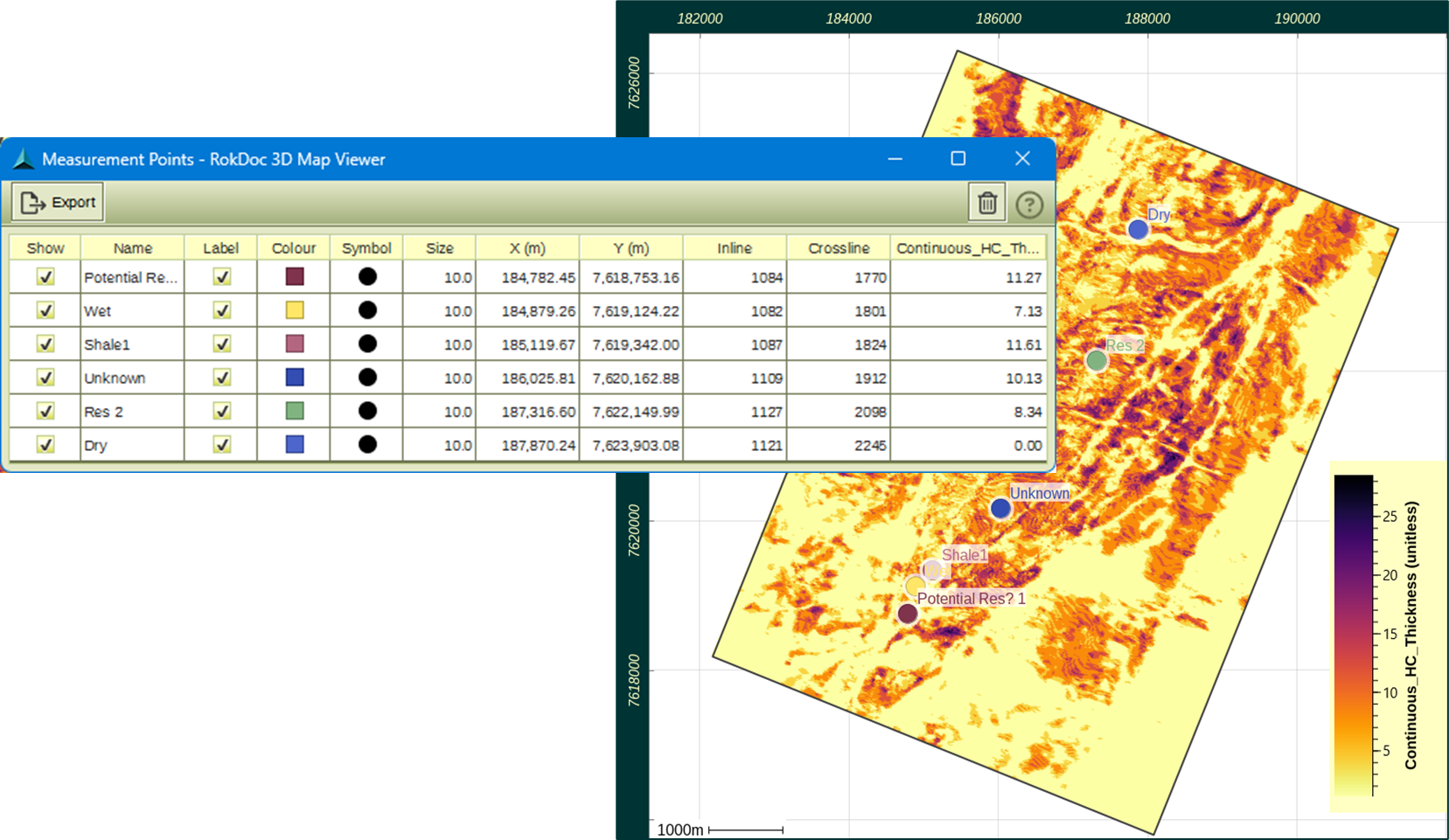
Map Viewer Measurement Point Value Display: Immediate Insights for Confident Interpretation
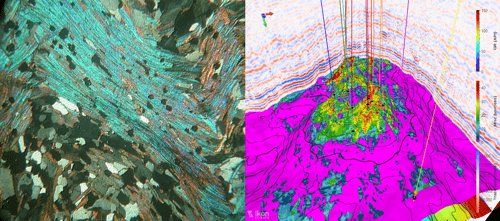
Interpretation in modern geoscience hinges on rapid access to the right data for every spatial and stratigraphic question. In RokDoc 2026.1, the map viewer introduces a new measurement point value display, instantly showing horizon and map attribute values at each X, Y point and slice along Z. This feature is especially valuable in structural and attribute mapping, where cross-checking surfaces and property distributions must keep pace with interpretation decisions. In addition to the map features, users can now export measurement point tables as ASCII files, complete with facies and lithology names where applicable.
With on-the-fly access to key values directly in the map viewer, users spend less time switching tools or hunting for numbers and more time validating interpretations, identifying trends, and making confident decisions with immediate spatial feedback.
Log Programmer Auto-Refresh: Reducing Oversight, Streamlining Calculations
Calculated logs are central to most rock physics and petrophysical workflows, but keeping them updated as raw input data evolves can be a persistent challenge. RokDoc 2026.1 introduces automatic refresh for outputs from the log programmer: whenever an input log is adjusted, corresponding calculations update instantly, accompanied by clear visual cues.
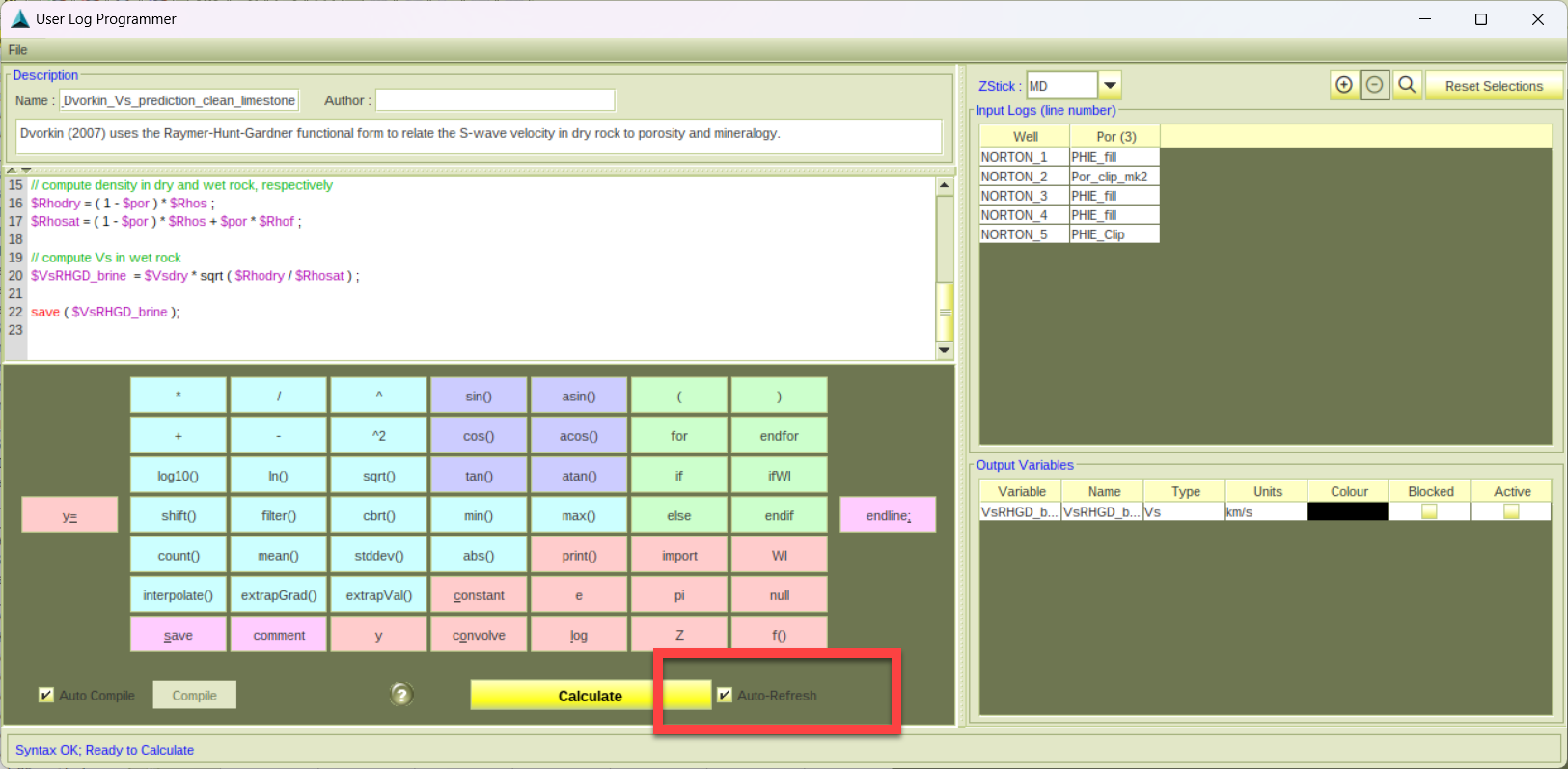
This advancement removes repetitive manual recalculation, minimizes the risk of working with outdated results, and ensures that changes to well logs are swiftly reflected throughout your project.
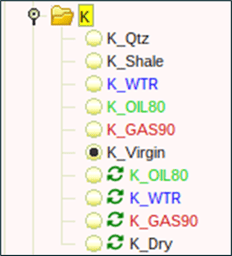
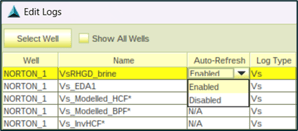
For teams and individuals striving for efficiency and scientific rigor, this means less time on process, lower error risk, and more confidence in every interpretation.
Track Set Templates and Centralized Well Viewer Track Management: Efficient, Consistent Visualization at Scale
Consistent data visualization is a cornerstone of effective rock physics interpretation, but recreating the optimal view across multiple projects and wells is often time-consuming and error-prone. RokDoc 2026.1 introduces the ability to create and use track set templates.
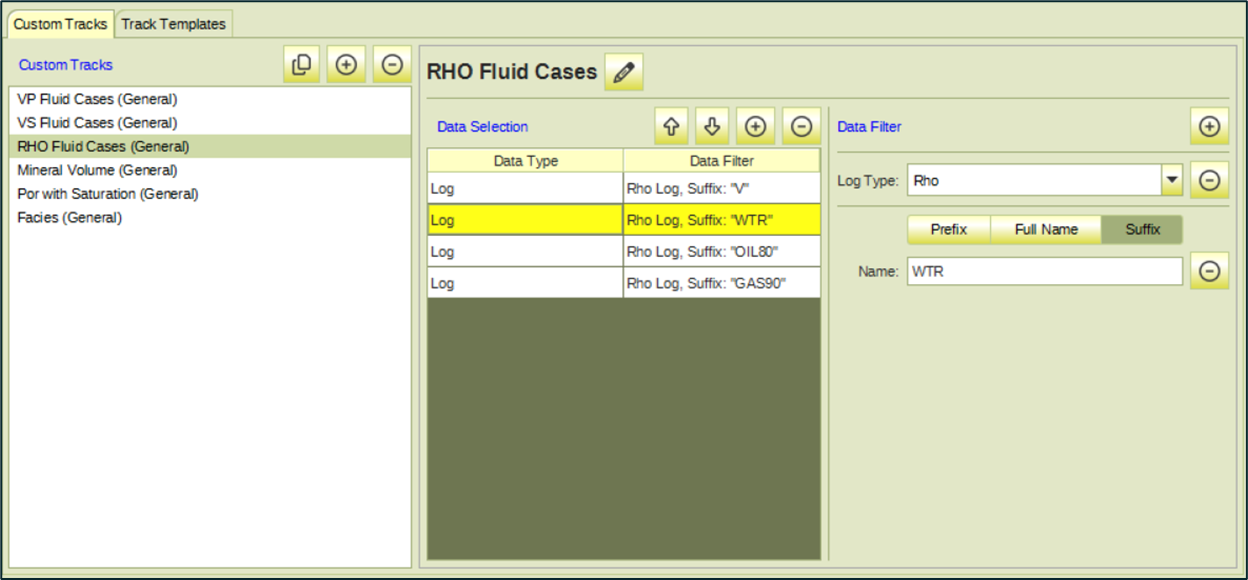
With pre-configured collections of log tracks, where each track can be defined by log type, active status, or specific filter strings, users can pre-populate a template with key logs (for example, VP, VS, Rho, and various gathers for fluid substitution results) and configure how they are displayed and organized.
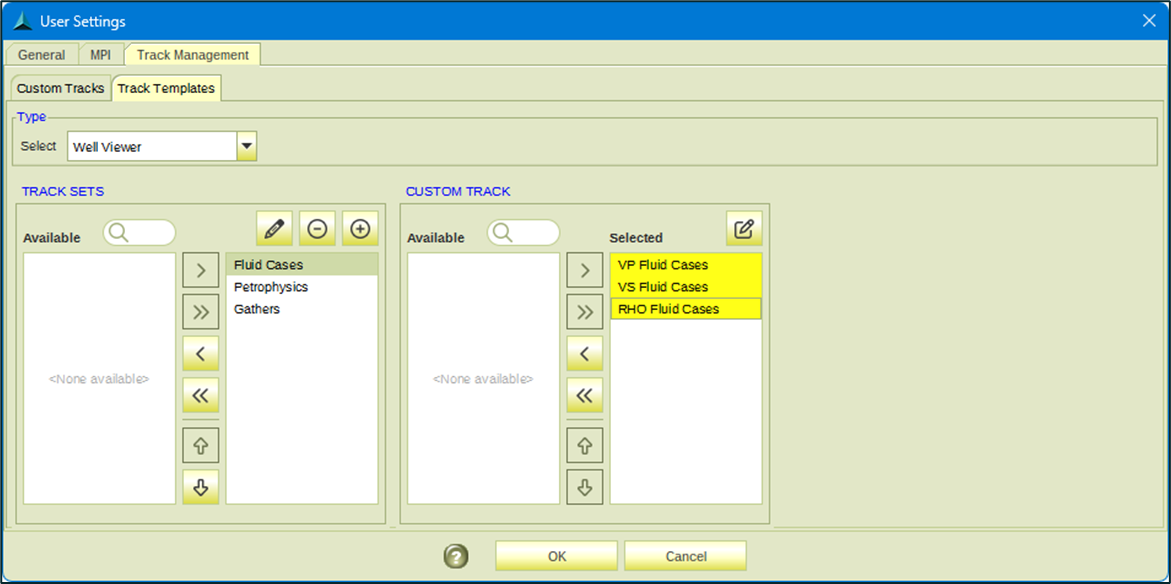
Once a track set template is defined, it can be applied rapidly to any number of wells using the new track management interface.
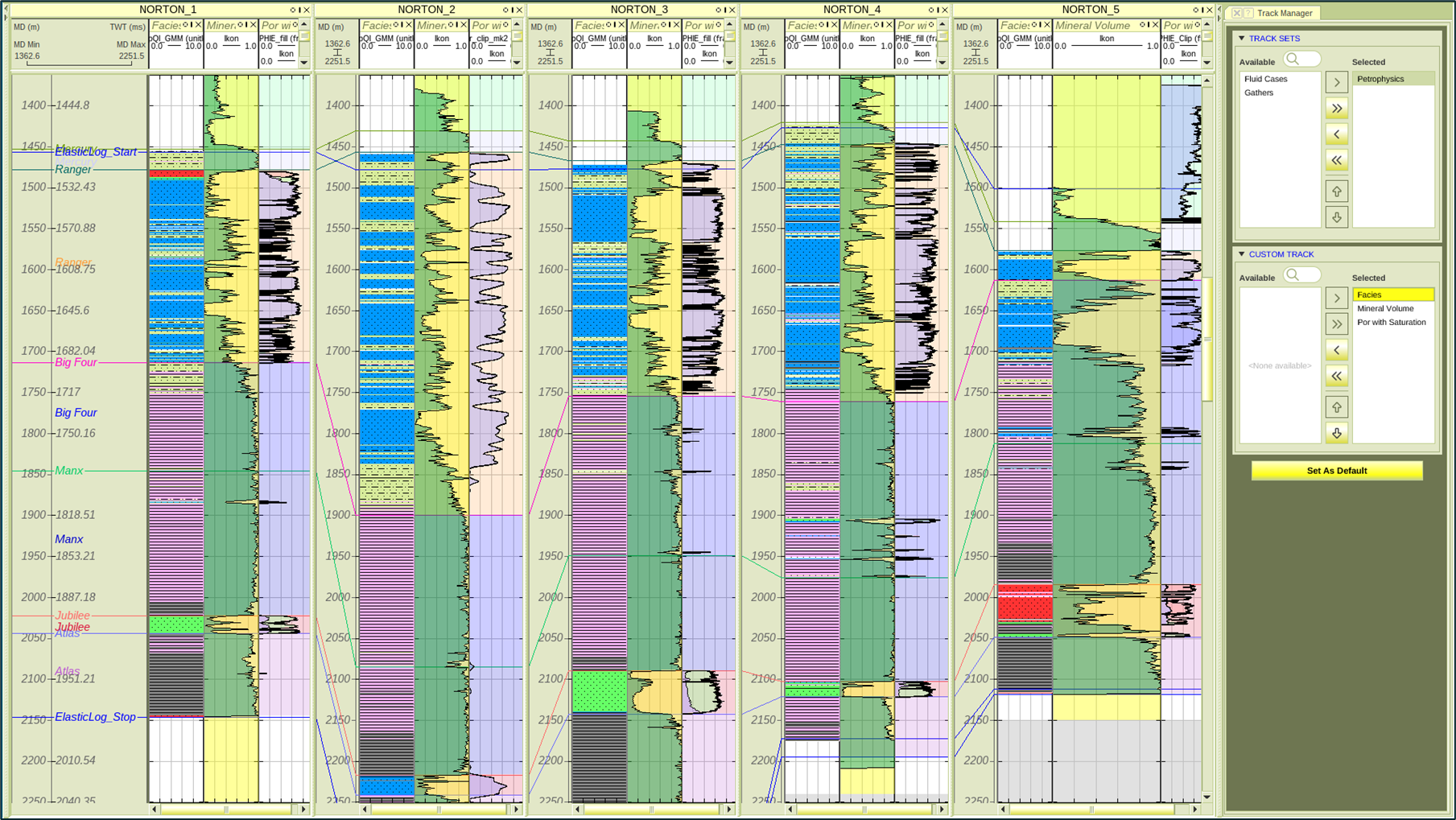
This well viewer-based tool gives users precise control over track ordering across all loaded wells, automatically applying the chosen template to standardize views. The result is a micro-workflow: from a single setup, you can roll out a consistent, expert-designed interpretation view to every relevant well in your study. This not only saves time, but allows advanced analytical concepts or quality control checklists—such as groupings of synthetic gathers or fluid substitution results—to be communicated and deployed efficiently, ensuring that analysis methods and results are interpreted in a clear, reproducible way across the team.
Faster SEG-Y Full Scan and Time Estimates: Efficiency for Large Seismic Datasets
Managing large seismic datasets efficiently is a priority for geoscientists working on modern projects. RokDoc 2026.1 improves this core task with a much faster SEG-Y full scan process. An updated dialog now provides users with a real-time estimate of scan progress and expected completion time, taking the guesswork out of handling large files.
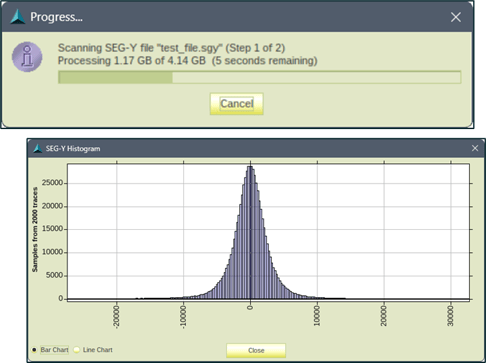
This enhancement streamlines project start-up and data validation, as scans that once interrupted workflow can now be planned more precisely, reducing downtime and helping teams allocate resources with greater confidence. Importantly, these performance gains mean users spend less time waiting and more time interpreting the results that matter.
Default Maximum Memory Increased: Smoother Workflows with Larger Projects
As datasets grow in size and complexity, adequate memory allocation becomes essential for responsive performance and stability. With RokDoc 2026.1, the default maximum memory reserved for the application has been doubled from 4 GB to 8 GB.
This improvement allows users to efficiently manage larger projects, work with more expansive well logs and seismic data, and perform resource-intensive tasks—such as log plotting or attribute calculations, without running into bottlenecks. By taking better advantage of modern hardware, analyses are smoother and workflows stay productive, even as project demands scale up.
User-Defined Plot (UDP) Performance Improvements: Fast Plotting for Larger Datasets
Visualizing well data quickly is crucial for quality control and interpretation, especially as project sizes grow. In RokDoc 2026.1, major improvements have been made to User-Defined Plot (UDP) performance: memory management has been optimized, and well log data loading and plot generation now take place on a background thread. Additionally, the User-Defined Plot (UDP) now adapts automatically for big datasets: for well log tables beyond a certain size, the “Show selected only” filter is enabled by default.

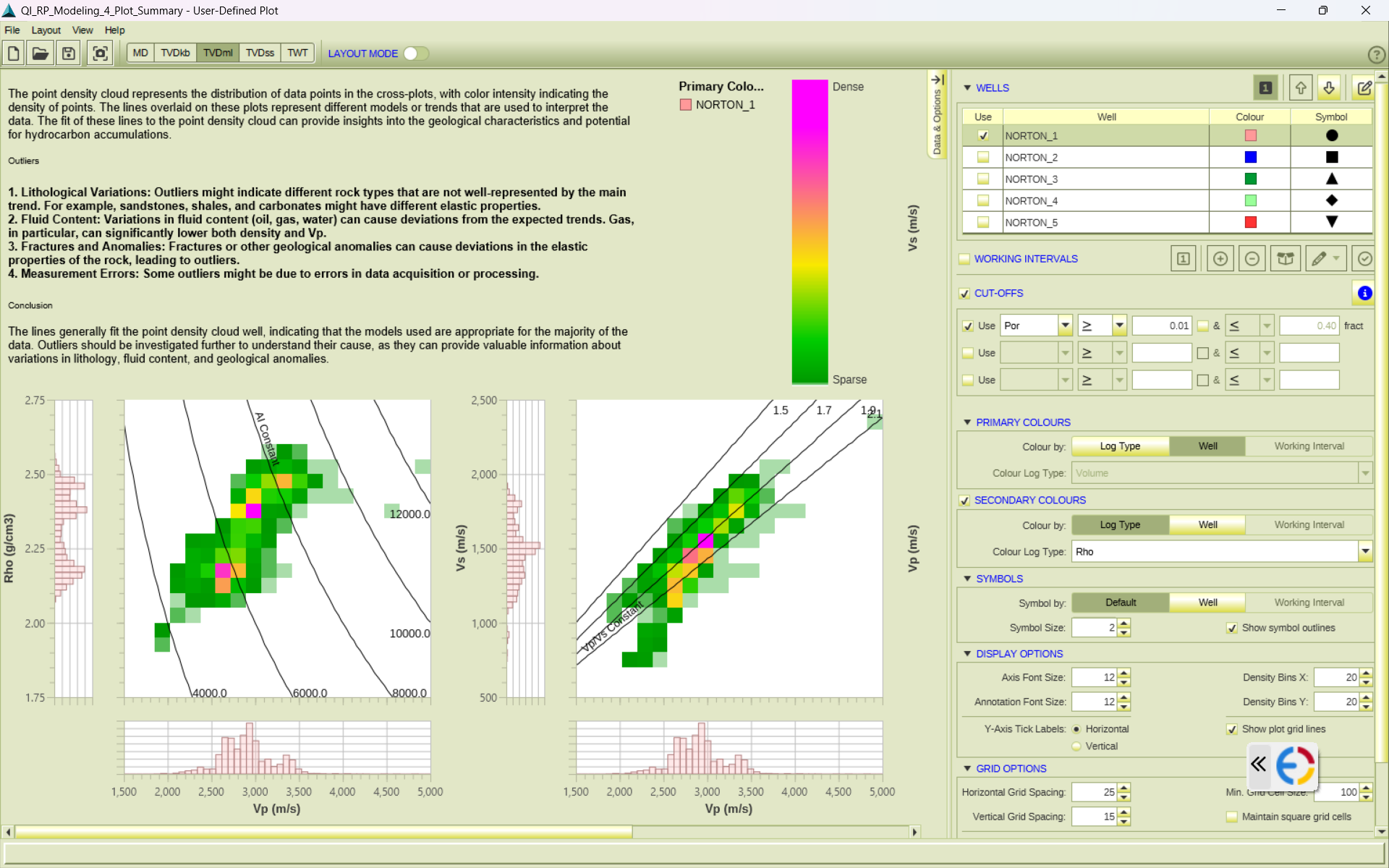
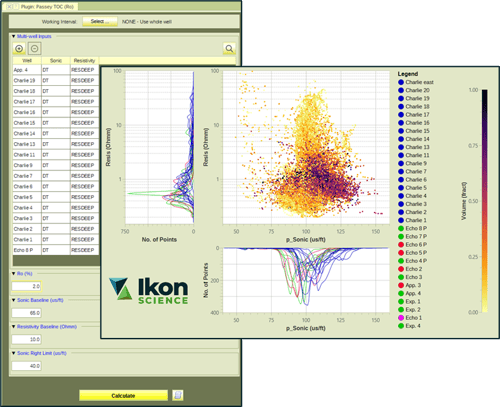
This smart adjustment keeps the plotting interface fast and focused, ensuring that even with millions of datapoints, users experience smooth and responsive interaction, making it easy to zero in on specific wells or curves of interest. For complete control, users can continue to customize display preferences to match their workflow. These performance enhancements lead to a more productive visualization experience at any scale, allowing for efficient exploratory analysis, anomaly detection, and detailed QC without frustrating delays, regardless of project size.
Advanced 2D Workflows: DNN Regression and Flexible Quantity Collections for Plugins
RokDoc 2026.1 expands possibilities for advanced interpretation and integration in 2D workflows. Deep QI’s DNN regression is now available in 2D sessions, allowing users to train on 1D well log data and apply predictive machine learning models directly along cross-sections or regional lines, unlocking sophisticated, data-driven property prediction within everyday rock physics studies.
This release also brings enhanced flexibility to external interface users developing 2D plugins: plugins can now access and process collections of multiple quantities as input and output. This enrichment of the external interface framework enables more complex scientific computing, streamlined extensions, and the ability to create custom workflows that connect seamlessly with RokDoc’s powerful analytics and visualization.
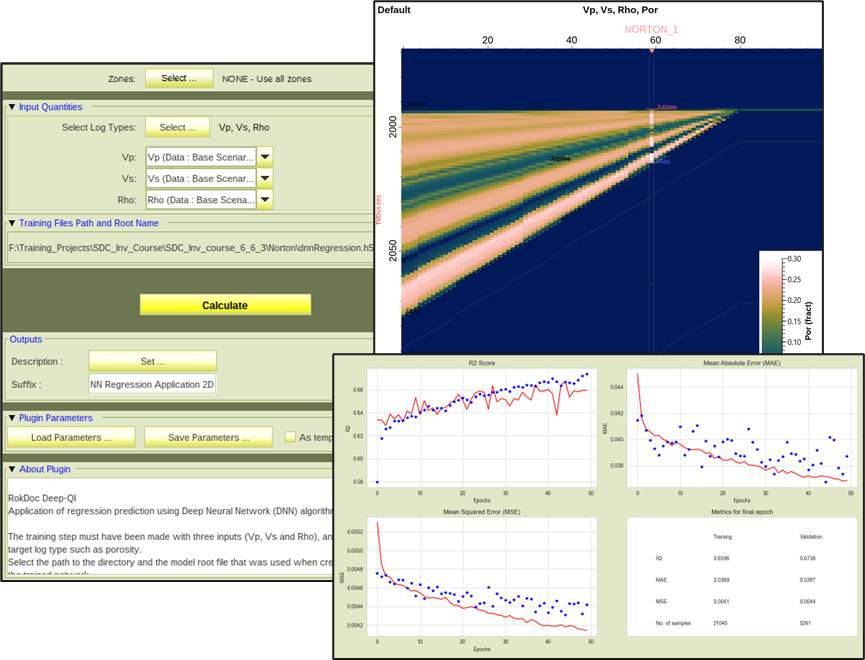
Together, these improvements empower users to create and deploy state-of-the-art modeling techniques, both within the core application and through customized external plugins—supporting robust analysis and innovative solutions in every project.
Conclusion
RokDoc 2026.1 delivers a set of practical enhancements aimed at supporting clear analysis and reliable interpretation across rock physics projects of all sizes. With stronger tools for visualization, automated calculations, and advanced modeling, this release is designed to help users maintain scientific consistency, adapt their workflows, and work effectively with both routine and complex datasets. We hope these improvements make your daily work with RokDoc even more productive and transparent.
For step-by-step workflow demonstrations or deeper spotlights on results using these new tools, we encourage you to reach out for a demo and discussion!

Alan Mur has a PhD in Geology with specialization in Geophysics from the University of Pittsburgh and has over a decade of work experience in geology, rock physics, and geophysics. As Product Manager for Quantitative Interpretation (QI) Applications at Ikon Science, he manages all applications related to QI geophysics at Ikon and directs the software development team to evolve Ikon’s software offerings with consideration for the needs of the industry.